Historical & Architectural Heritage

Beauty and Craftsmanship Passed Through Time

Understanding Japan Through Architecture and History

World Heritage temples and shrines, castle architecture, and traditional townscapes. Japan's historic structures are not merely "old buildings" but cultural heritage where the ideologies, technologies, and aesthetics of each era have crystallized. Through dialogue with architectural historians, restoration technicians, and local historians, we gain a multidimensional understanding of the meanings embedded in buildings, structural ingenuity, and preservation efforts.

The earthquake-resistant technology of wooden architecture, the beauty of centuries-old pigmentation, and the exquisite decorations crafted by artisans. We design journeys to "understand," not just "visit," these treasures.

Experience Highlights
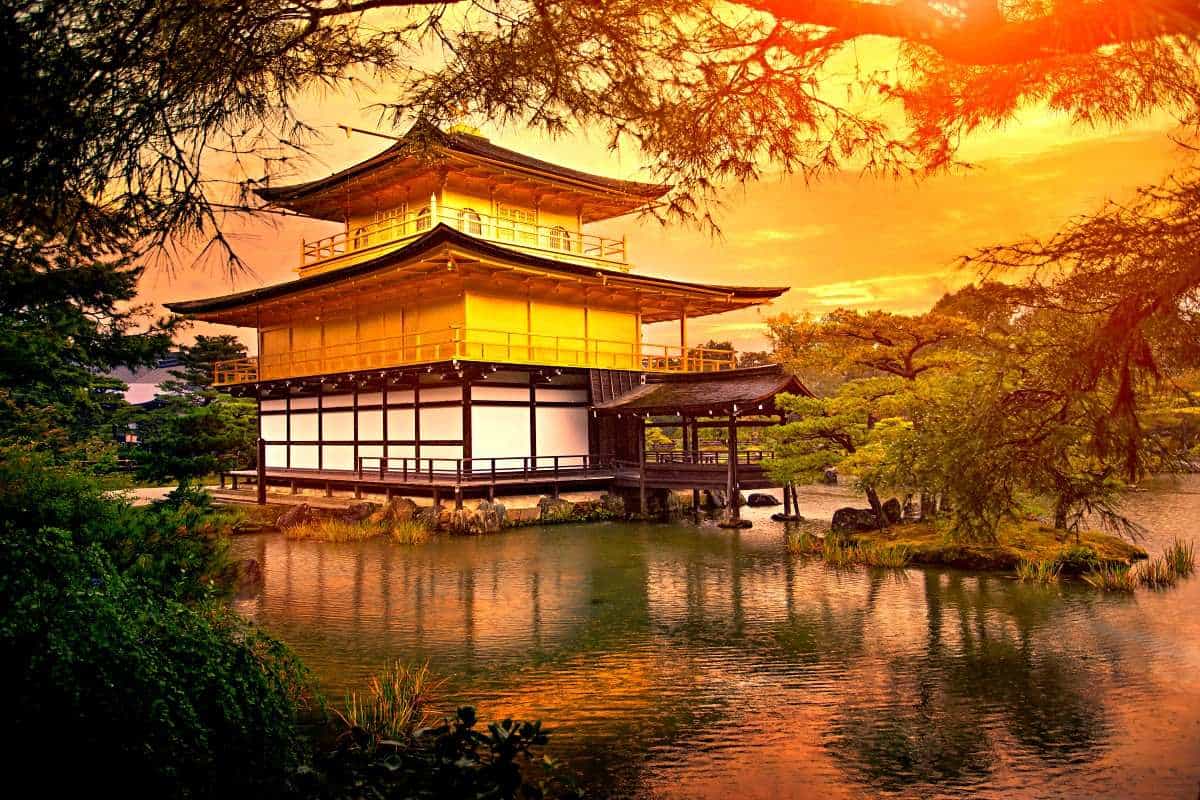
京都・奈良の世界遺産巡り

World Heritage Tour: Kyoto & Nara

Visit World Heritage sites like Kinkakuji Temple, Horyuji Temple, and Todaiji Temple with architects and cultural historians. Deeply understand the history and philosophy behind these structures.
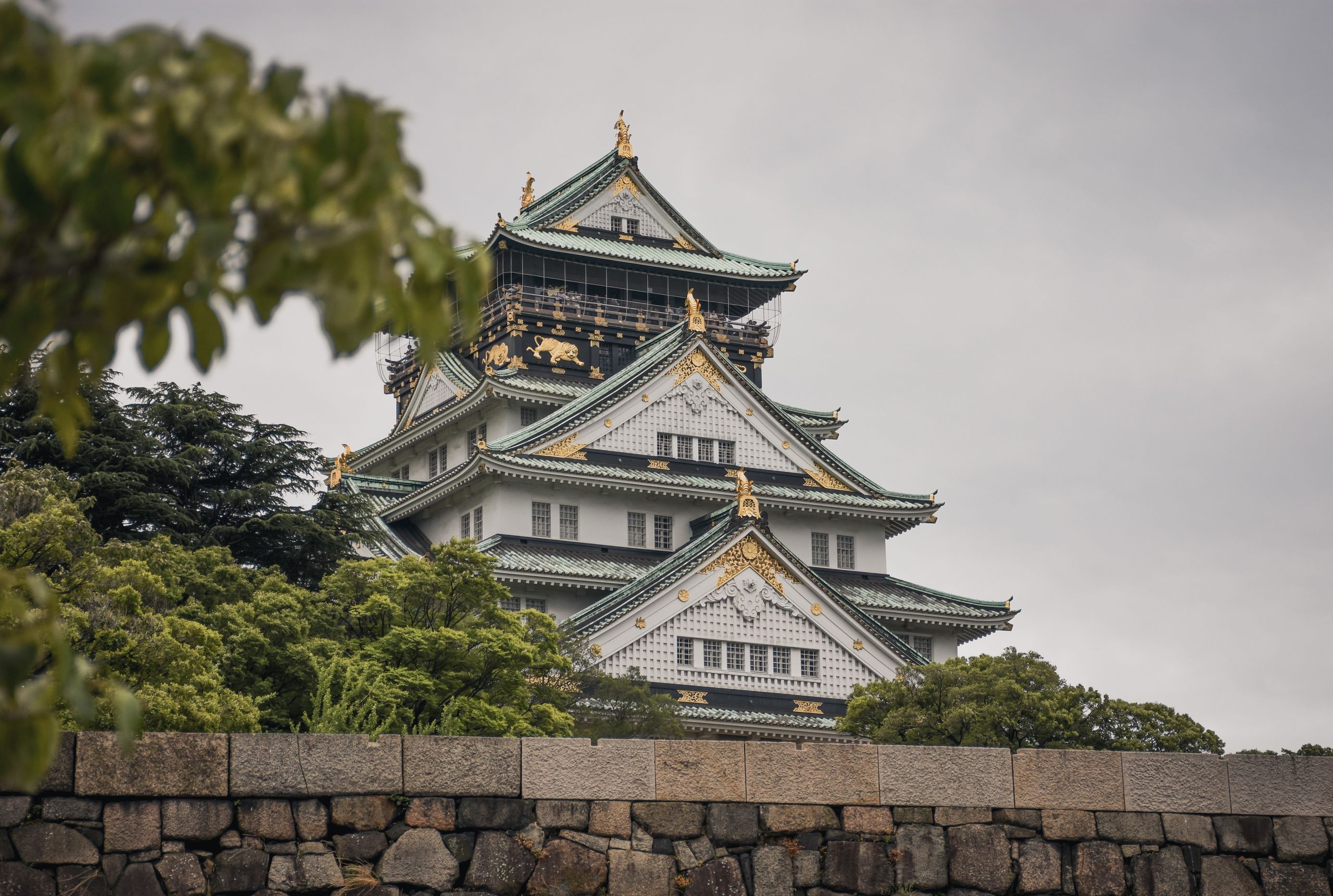
姫路城と日本の城郭建築

Himeji Castle & Japanese Castle Architecture

Visit Himeji Castle, known as the "White Heron Castle." Learn about the ingenuity of defensive mechanisms, aesthetic design, and the pinnacle of wooden construction technology through expert commentary.
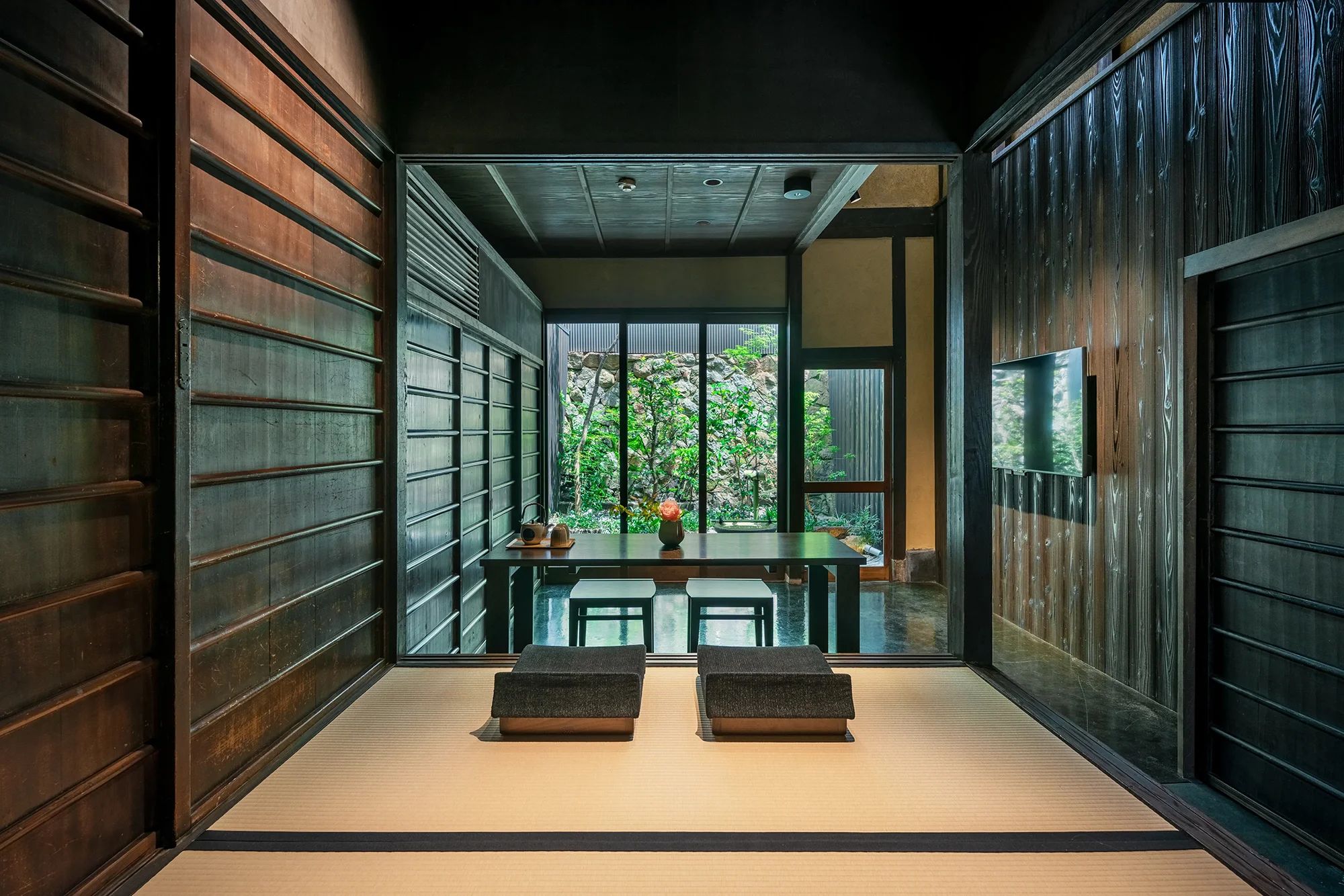
町家と伝統的木造建築

Machiya & Traditional Wooden Architecture

Visit machiya townhouses in Kyoto and Kanazawa. Experience the wisdom and aesthetics of living spaces adapted to narrow plots—lattice doors, tsubo gardens, and through-gardens.
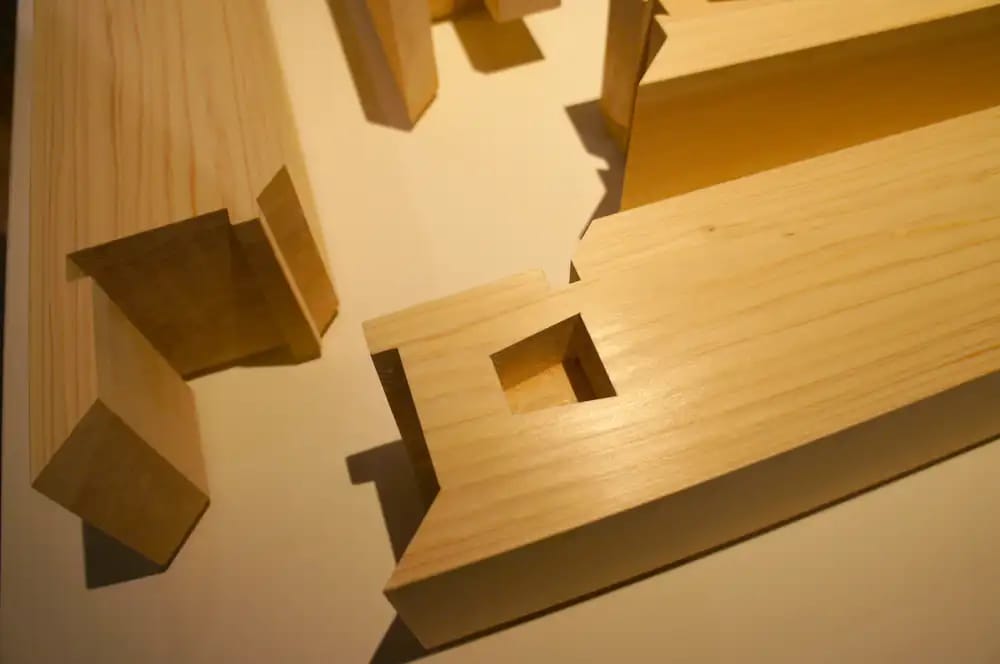
神社・仏閣の建築技術

Temple & Shrine Construction Techniques

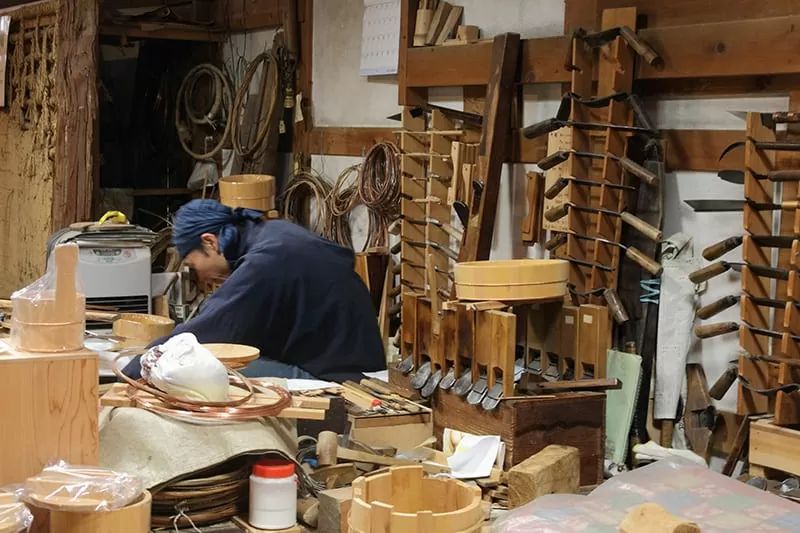
Witness up close the nail-less joinery techniques and skills of miyadaiku temple carpenters. Visit restoration sites and workshops to learn the secrets of architectural techniques that last centuries.
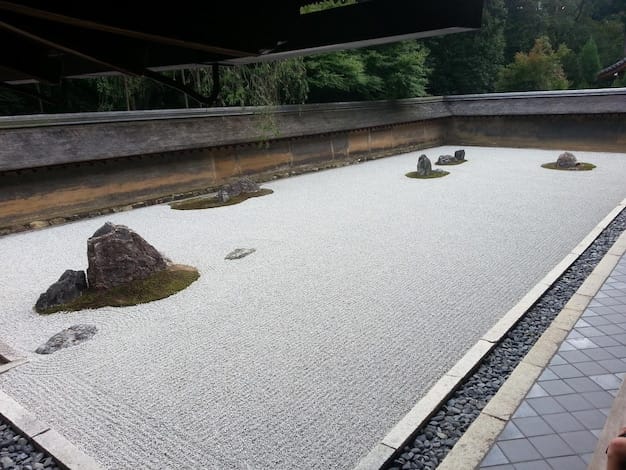
日本庭園の美学

Japanese Garden Aesthetics

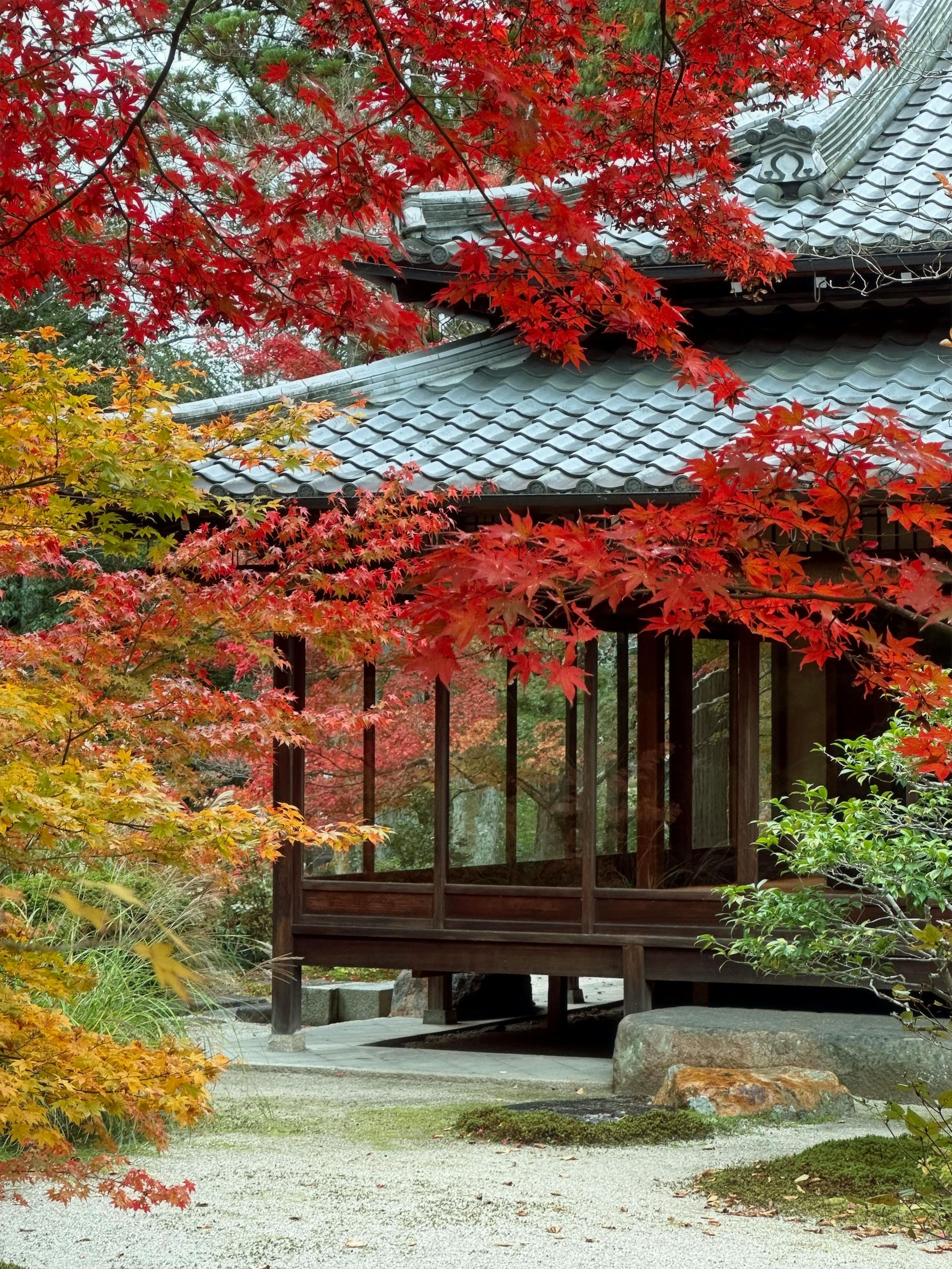
Visit karesansui (dry landscape) and stroll gardens. Understand Japanese views of nature and spatial aesthetics through rock arrangements, borrowed scenery, and symbolic representation techniques.
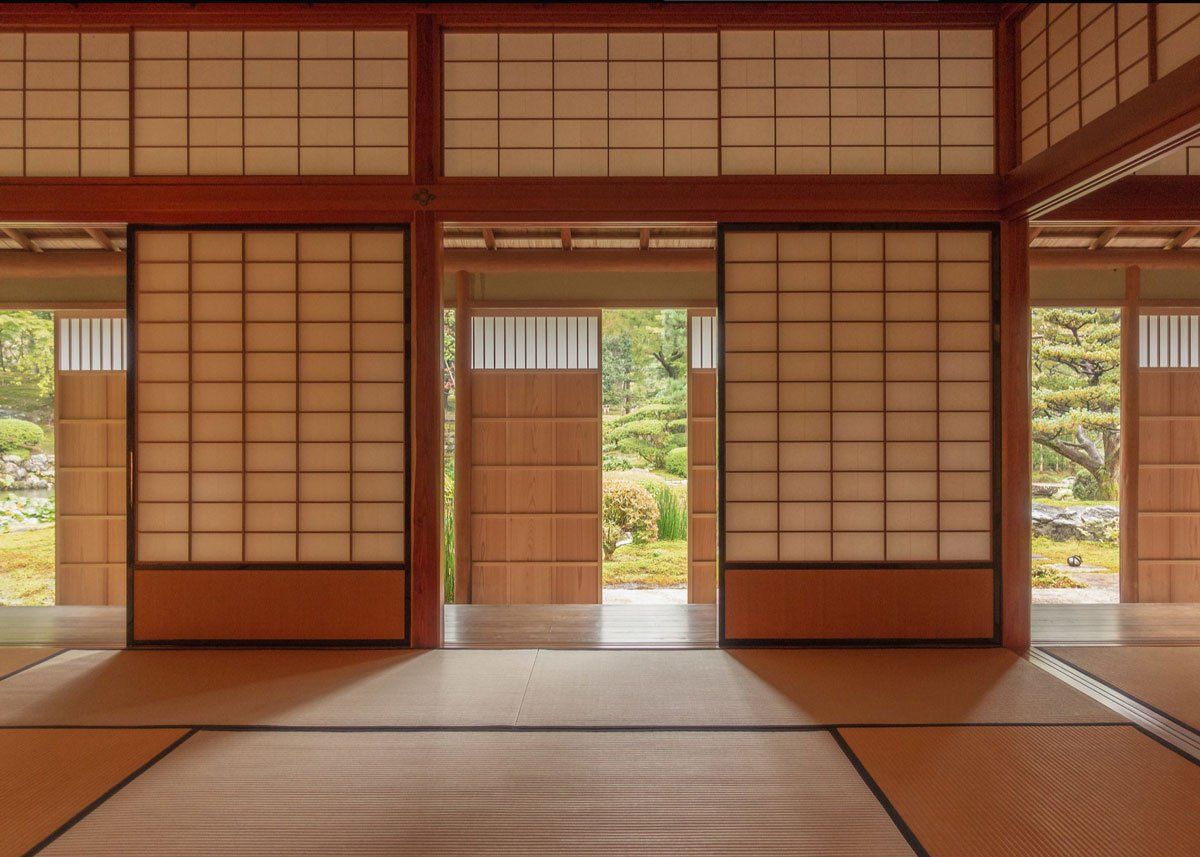
茶室と数寄屋建築

Tea Houses & Sukiya Architecture

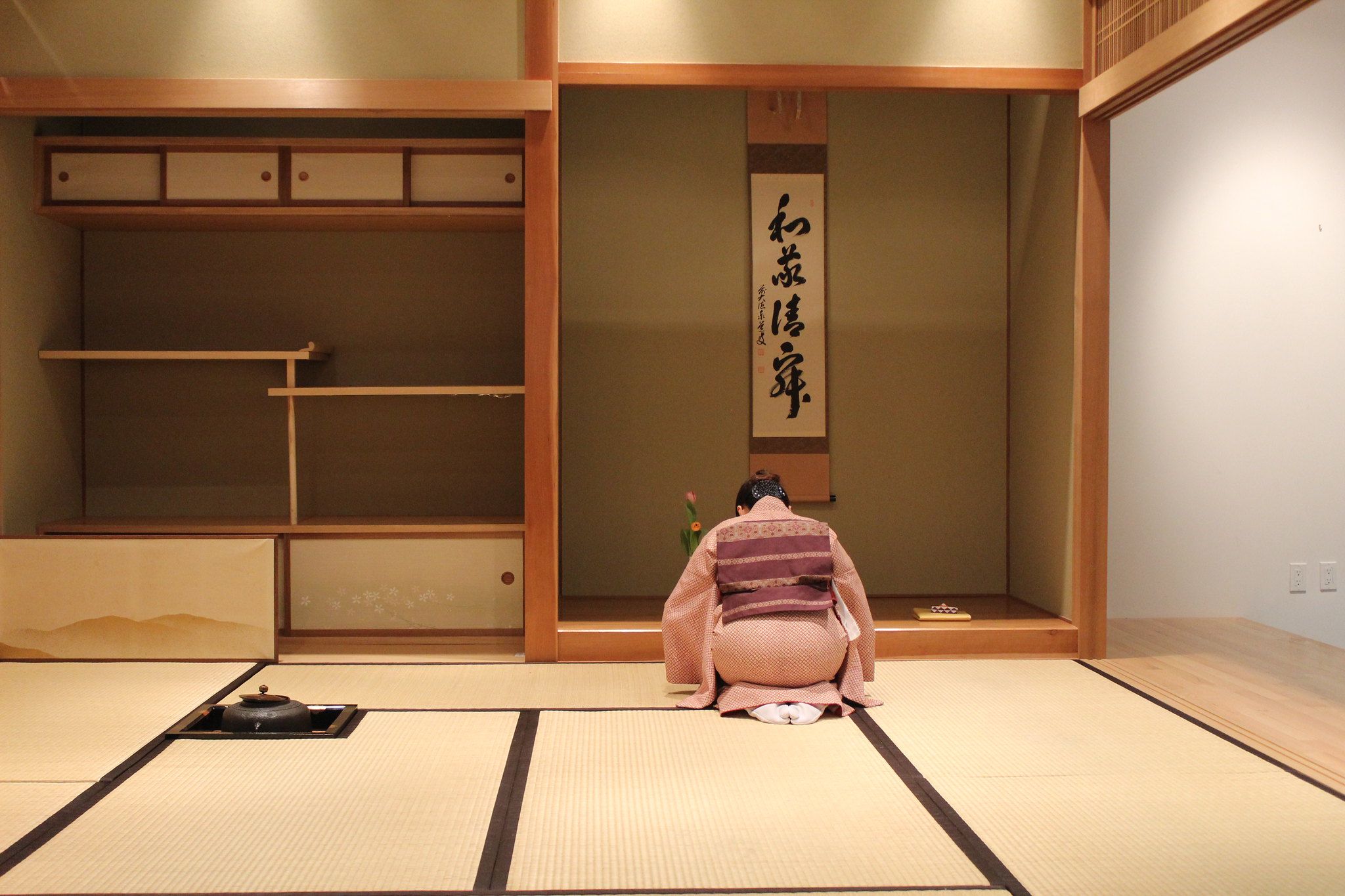
Visit tea house architecture where the aesthetics of wabi-sabi are condensed. Experience the aesthetics embedded in limited spaces and their unity with the tea ceremony.

What's Included in the Program

  • Expert-guided visits to World Heritage sites (temples, shrines, castles)
  • Dialogue sessions with architectural historians and restoration technicians
  • Site visits to restoration projects or miyadaiku carpenter workshops
  • Lodging experience in traditional machiya townhouses (Kyoto, Kanazawa, etc.)
  • Japanese garden appreciation with landscape technique commentary
  • Tea ceremony experience in a tea room with architectural aesthetics understanding
  • Wooden construction technique workshop (joinery experience, etc.)
  • Pre- and post-experience briefings on architecture and history
  • Full itinerary coordination by a dedicated concierge

Recommended Duration and Season

Duration: 5–7 days
Best Seasons: Spring (March–May) - Historic architecture amid cherry blossoms and fresh greenery; Autumn (September–November) - Temples and shrines harmonizing with fall foliage

Japanese architecture emphasizes harmony with nature. In spring, enjoy temples adorned with cherry blossoms; in autumn, gardens reflecting fall foliage. Experience architectural beauty alongside seasonal changes. Choosing periods when restoration work is active also increases opportunities to observe traditional techniques in action.

Recommended For

  • Those with deep interest in architecture and history
  • Architects, designers, and urban planning professionals
  • Those interested in cultural heritage preservation and restoration
  • Those wanting to understand Japanese aesthetics and philosophy through architecture
  • Those wanting to experience traditional techniques and artisan skills

Example Destinations

Kyoto (World Heritage temples and shrines, machiya architecture), Nara (Horyuji Temple, Todaiji Temple), Himeji (Himeji Castle), Kanazawa (teahouse districts, samurai residences), Takayama (historic streets), Kamakura (Kamakura-period temple architecture), and more

We will propose the best combination of regions and architectural heritage according to your interests and requests.

Inquire About This Experience

We are happy to answer detailed questions and discuss customization options for this heritage journey.
Please feel free to contact us.

Go to Inquiry Form