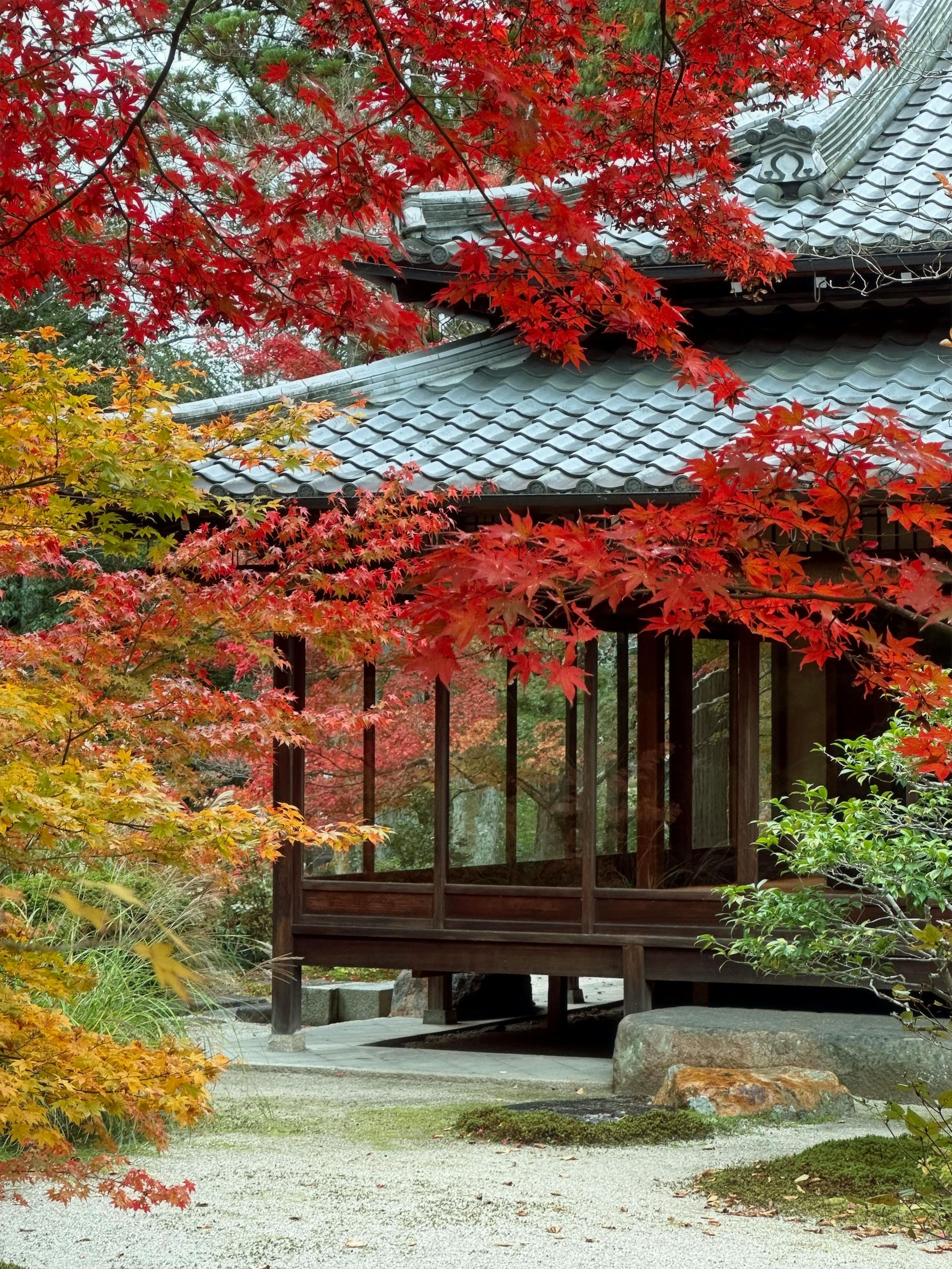
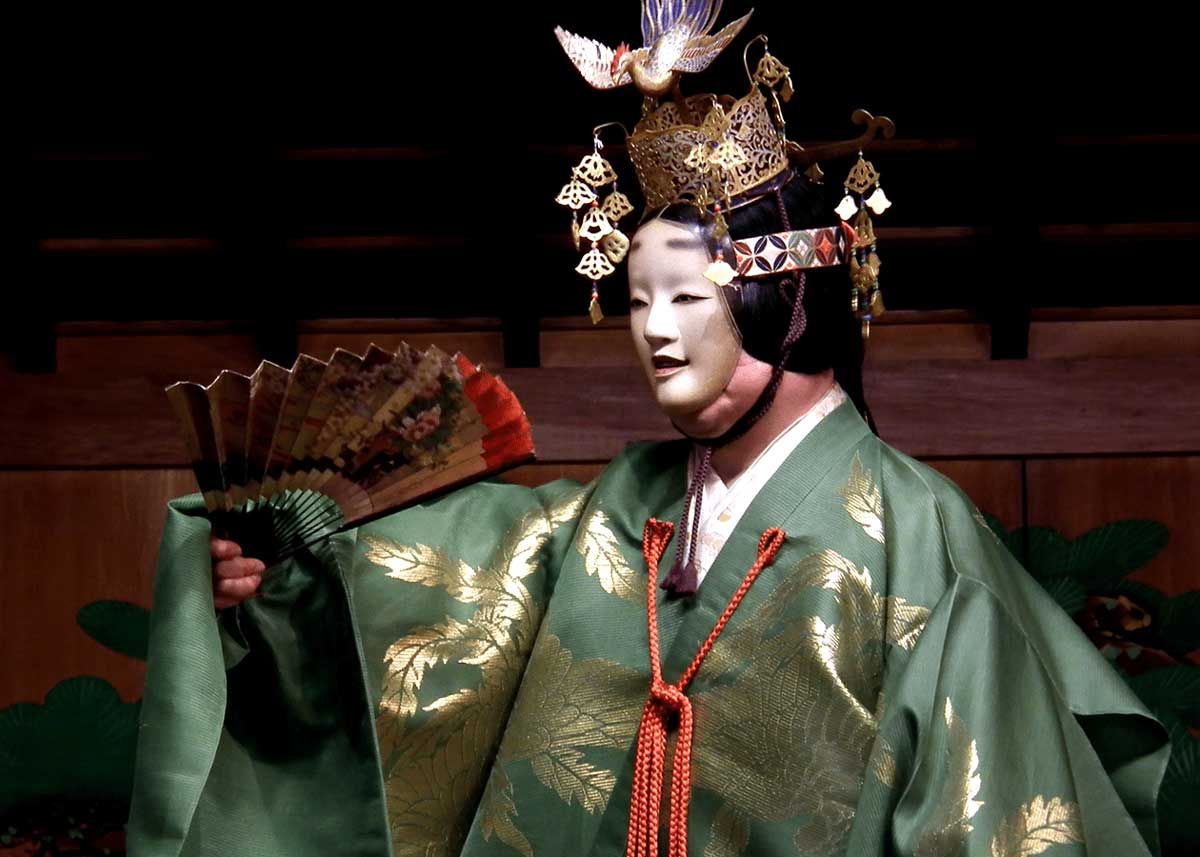
Touching the Techniques and Spirit of Artisans
Japanese traditional crafts are a fusion of techniques passed down through generations and the personal pursuit of individual artisans. Through direct dialogue and studio visits with master craftspeople in pottery, textiles, lacquerware, swords, washi paper, and other fields, we deeply understand the philosophy behind techniques, approaches to materials, and the formation process of aesthetic sensibilities.
Rather than mere "observation" or "experience," we share through dialogue the journey and current state of mind that artisans have pursued throughout their lives. This is a journey to sense with all five senses the value of handcraft, beauty nurtured over time, and the attitude of dialoguing with materials.
Experience Highlights
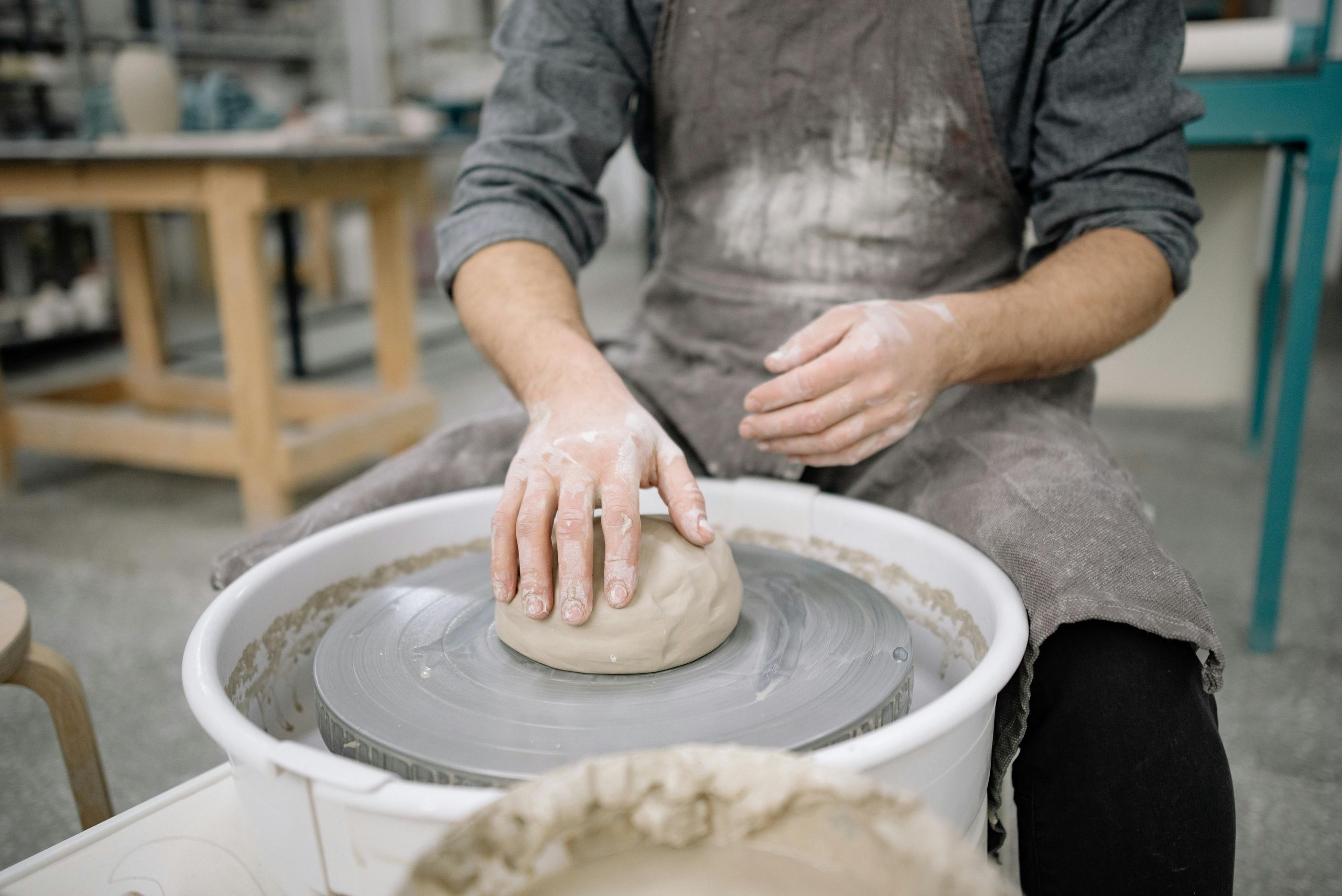
Visiting a Potter's Workshop
At the workshop of a Living National Treasure or traditional craftsman, learn the attitude of dialoguing with clay, glaze formulation, and the philosophy of kiln firing. Experience the potter's wheel firsthand and feel the profundity of handwork.
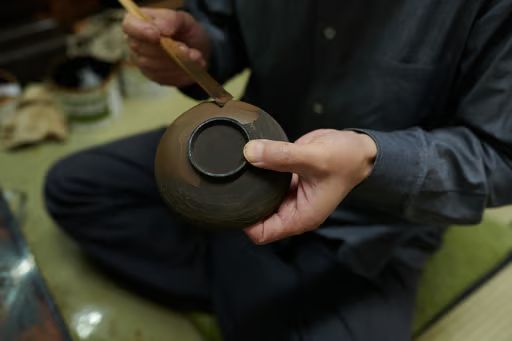
Dialogue with a Lacquerware Master
Lacquerware completed through dozens of processes. From base-making to coating and decoration, understand beauty nurtured over time and the artisan's patience and spirit of inquiry.
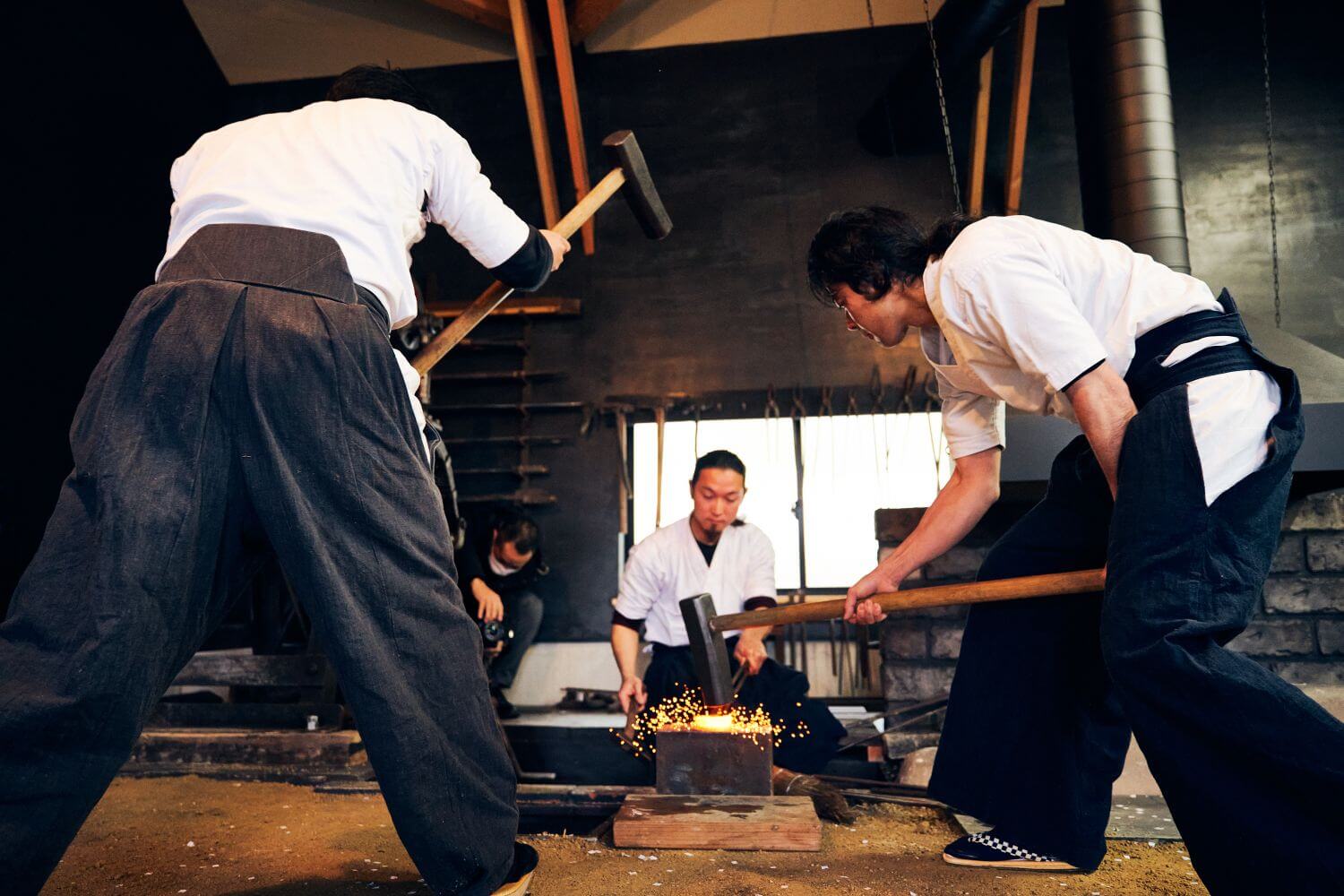
Experiencing Swordsmith Techniques
Visit a Japanese sword-making site. Through dialogue with swordsmiths, understand the techniques and spirituality of forging iron, polishing, and achieving both beauty and function.
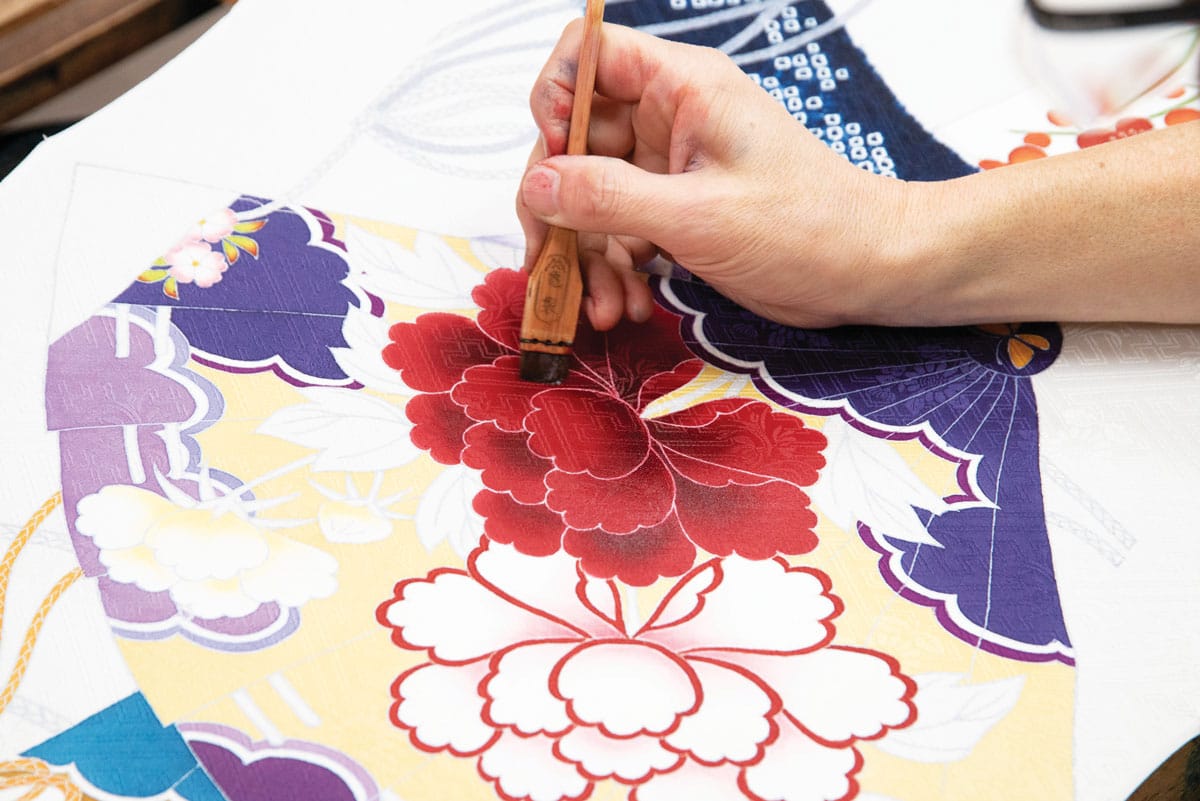
The World of Textile Artists
Regional dyeing and weaving techniques such as Kyo-yuzen, Oshima Tsumugi, and Nishijin-ori. Through the processes of spinning thread, dyeing, and weaving, learn the meanings embedded in colors and patterns.
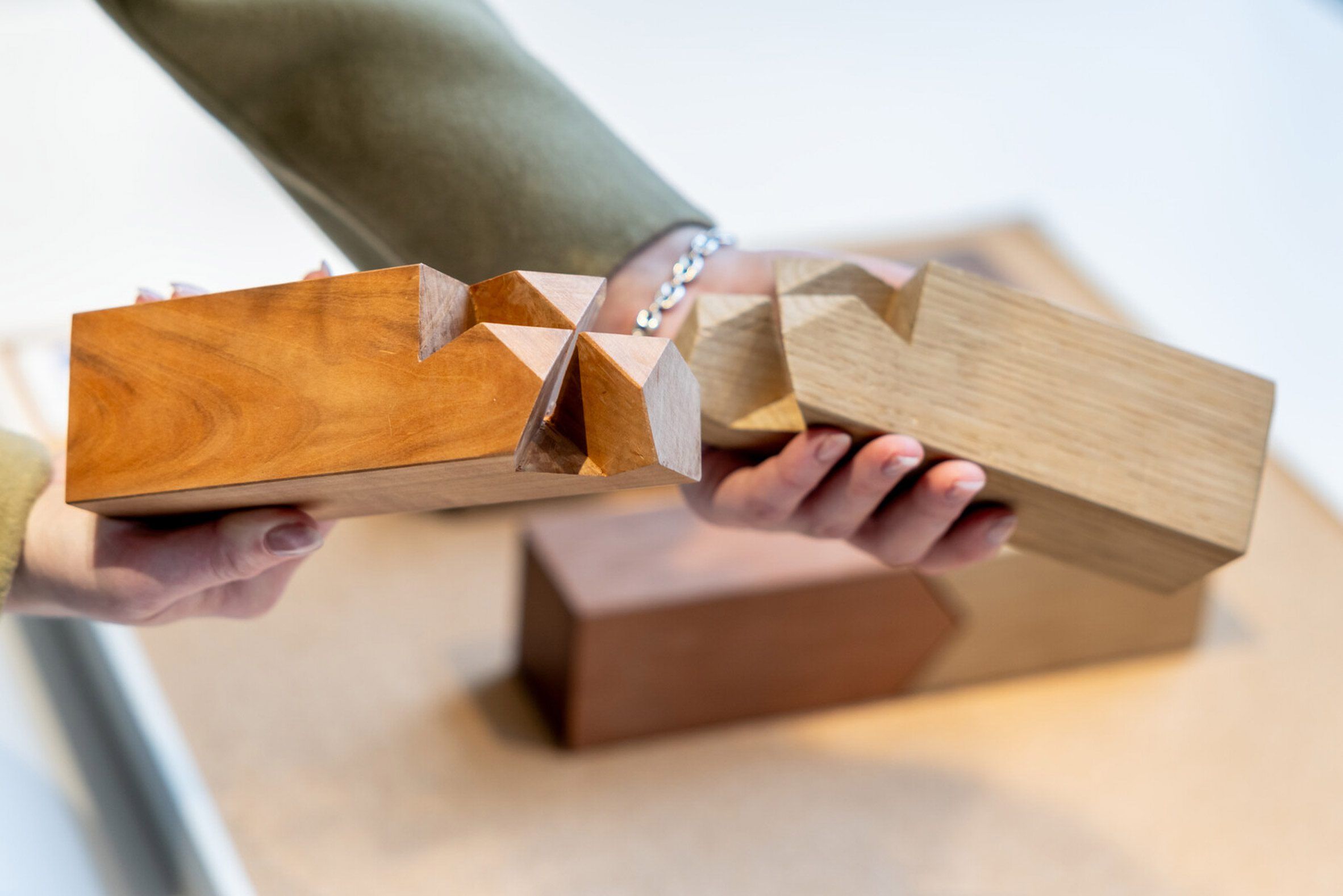
Time with a Woodworker
Techniques of artisans who dialogue with wood—cabinetmakers, coopers, Buddhist sculptors. Experience up close the entire flow of selecting materials, sharpening tools, and creating forms.
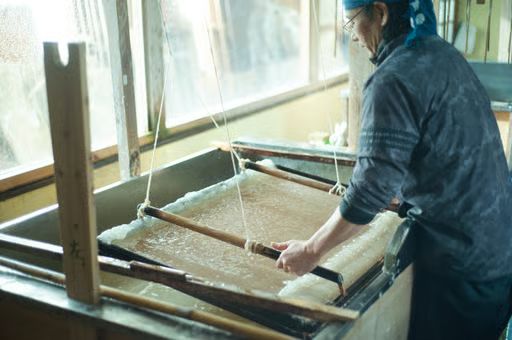
Washi Paper Artisan Workshop
Traditional techniques of making washi paper from kozo bark. The strength and beauty of paper created by fibers, water, and human hands. Learn the succession and innovation of techniques continuing for over a thousand years.