Cherry Blossom Season
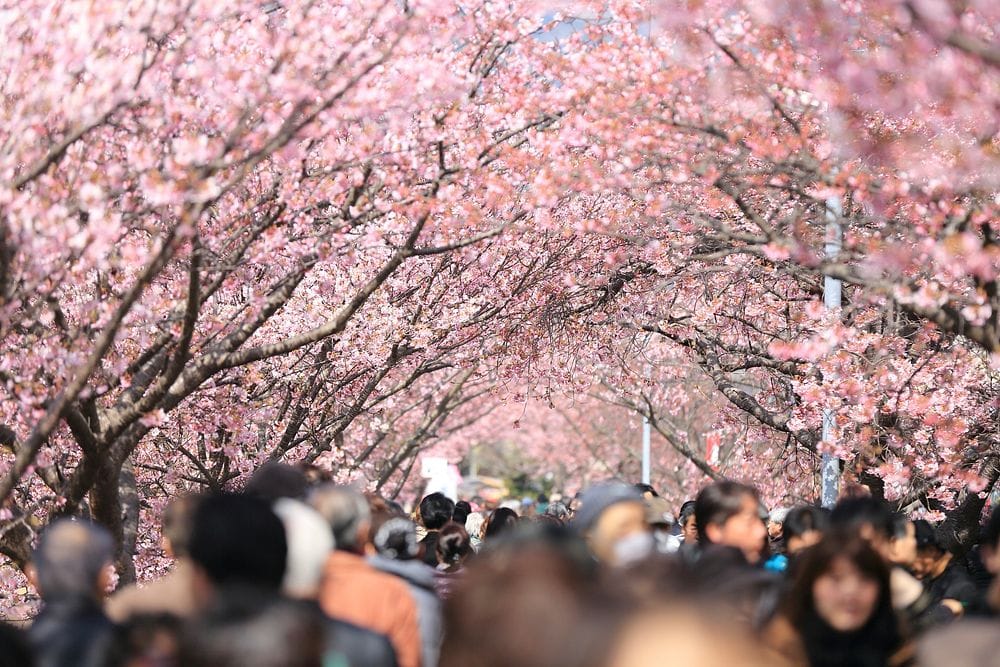
Visit cherry blossom spots beloved by locals rather than famous tourist sites. Enjoy quiet time appreciating flowers in early morning or at dusk. Understand the relationship between cherry blossoms and Japanese spirituality through places like Kyoto's Philosopher's Path, Yoshinoyama's sea of thousands of cherry trees, and Hirosaki Castle's cherry blossoms.
Fresh Greenery & Tea Fields
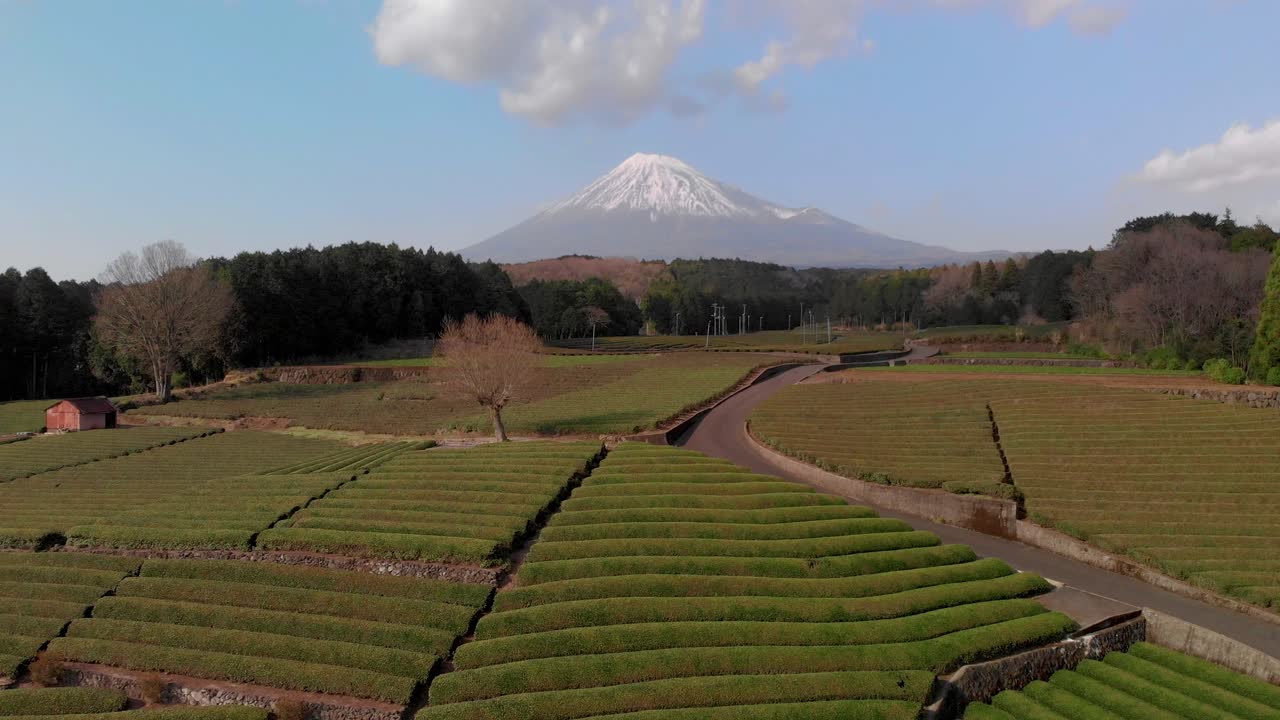
Tea fields spreading against the backdrop of Mount Fuji in Shizuoka. During the new tea season, the landscape of shining young green leaves symbolizes early summer in Japan. Visit the source of Japanese tea culture through tea picking experiences, tours of the tea-making process, and dialogue with tea farmers.
Kamakura Hydrangeas
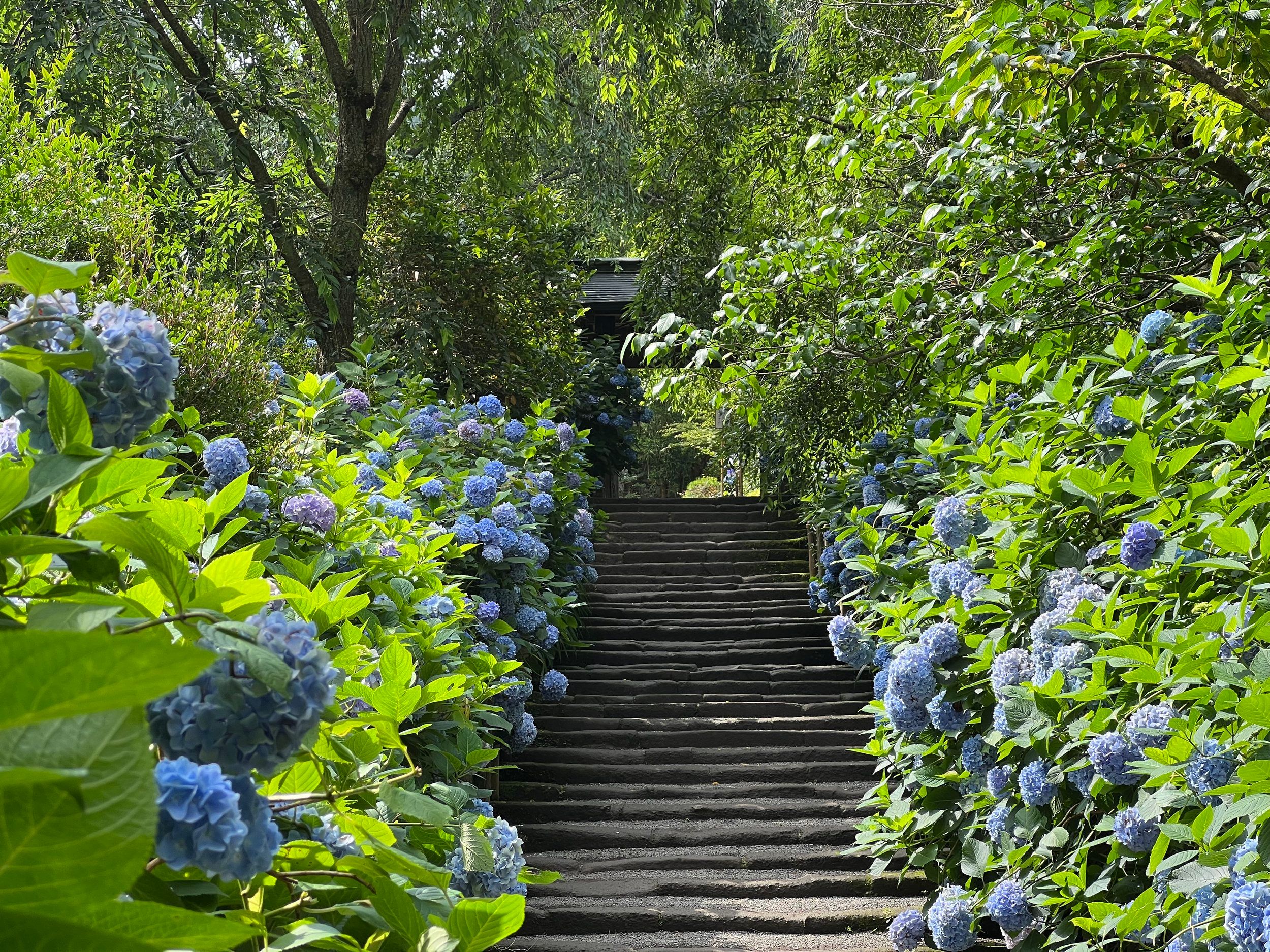
During the rainy season, hydrangeas color the ancient capital of Kamakura. Blue and purple flowers bloom throughout the grounds of historic temples like Meigetsu-in and Hase-dera. Rain-soaked stone steps, moss-covered stone walls, and the quiet sound of rain. Experience the beauty of rainy days that Japanese people love.
Summer Rice Terraces
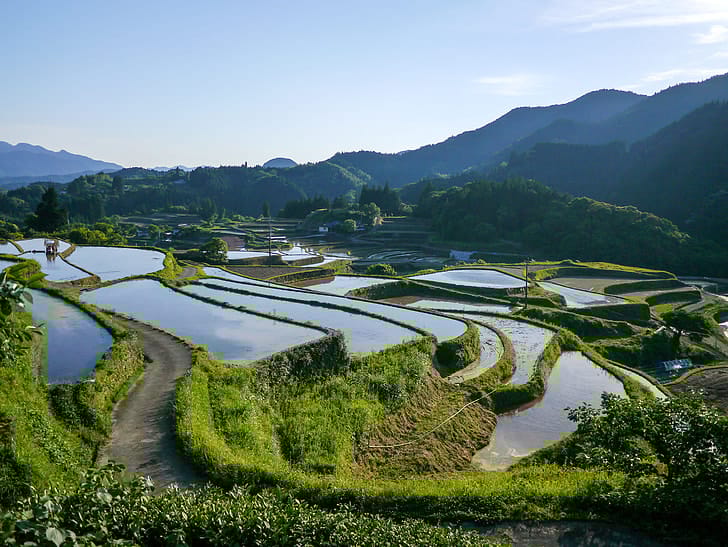
Green rice terraces spreading through mountain valleys. Sky and clouds reflected in water surfaces after rice planting. Rice terraces in Noto, Nagano, and Niigata symbolize the harmony between Japanese agricultural culture and nature. Summer dusk, sky gradations reflected in paddies. Feel the lives of people who have continued to grow rice in harsh environments.
Summer Festivals & Mikoshi
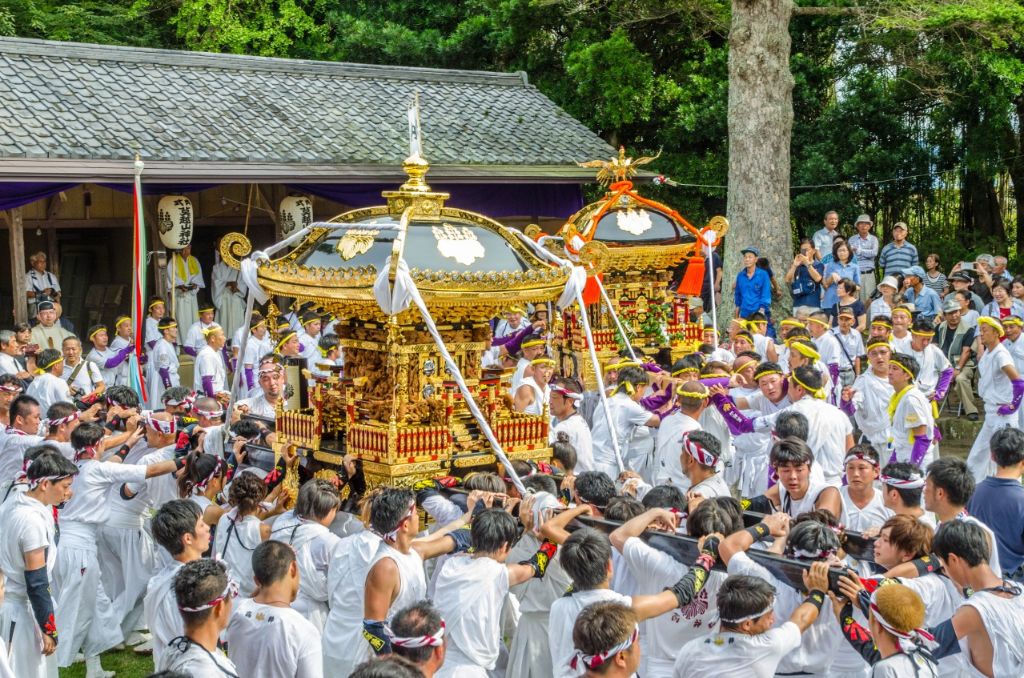
Annual shrine festivals rooted in local communities. Carry mikoshi portable shrines, beat taiko drums, and experience the fervor of festivals alongside local people. Gion Matsuri, Tenjin Matsuri, fireworks displays along the Sumida River and Lake Biwa. Through summer traditions, understand Japanese life lived with the seasons and community bonds.
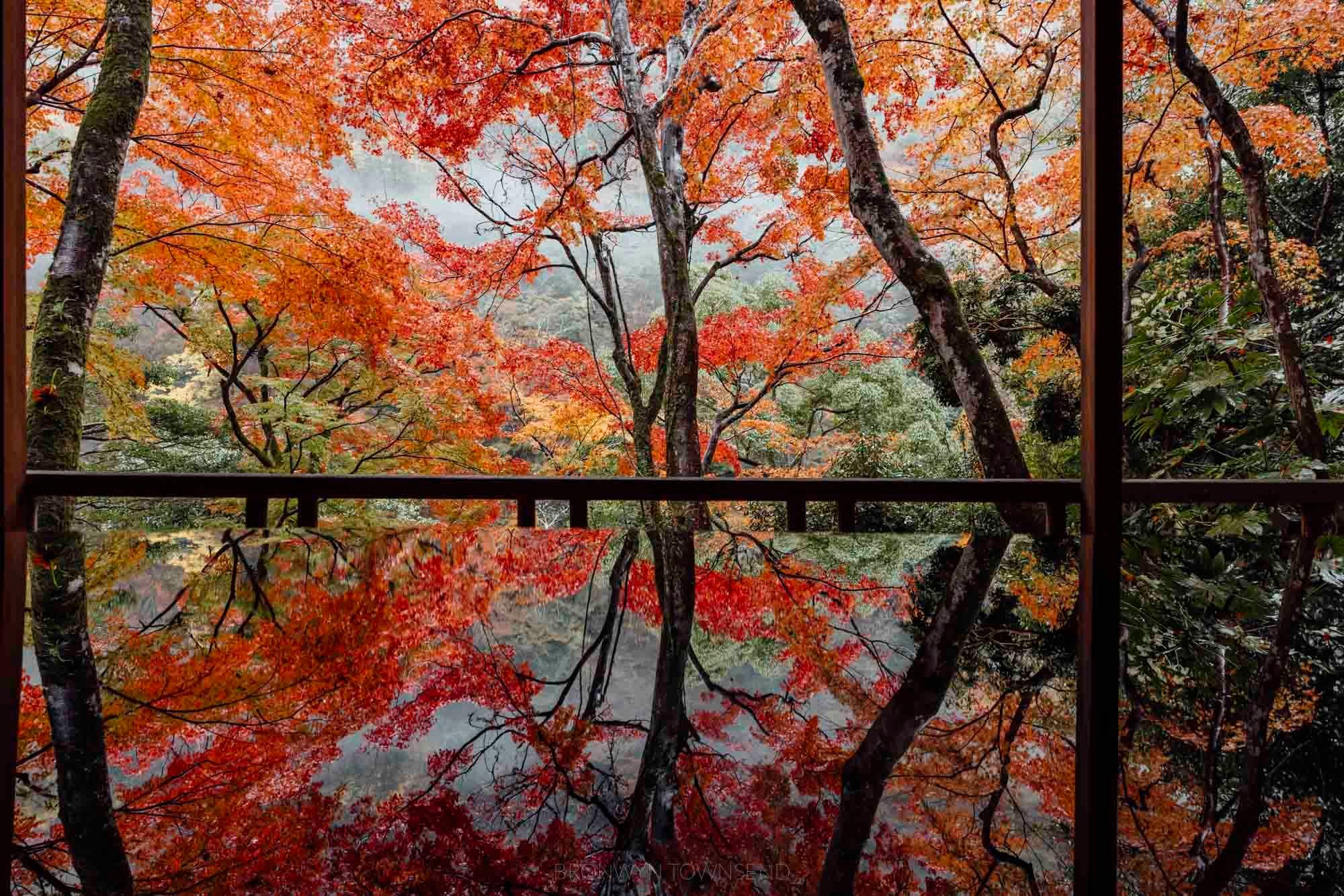
Kyoto's Autumn Foliage Temples
Famous autumn foliage sites representing Kyoto, such as Eikando and Tofukuji. Blazing reds and deep yellows color the gardens. Early morning visits avoid crowds, offering luxurious time to appreciate autumn leaves in stillness. Experience the culture of "momiji-gari" (autumn leaf viewing) that Japanese people love.
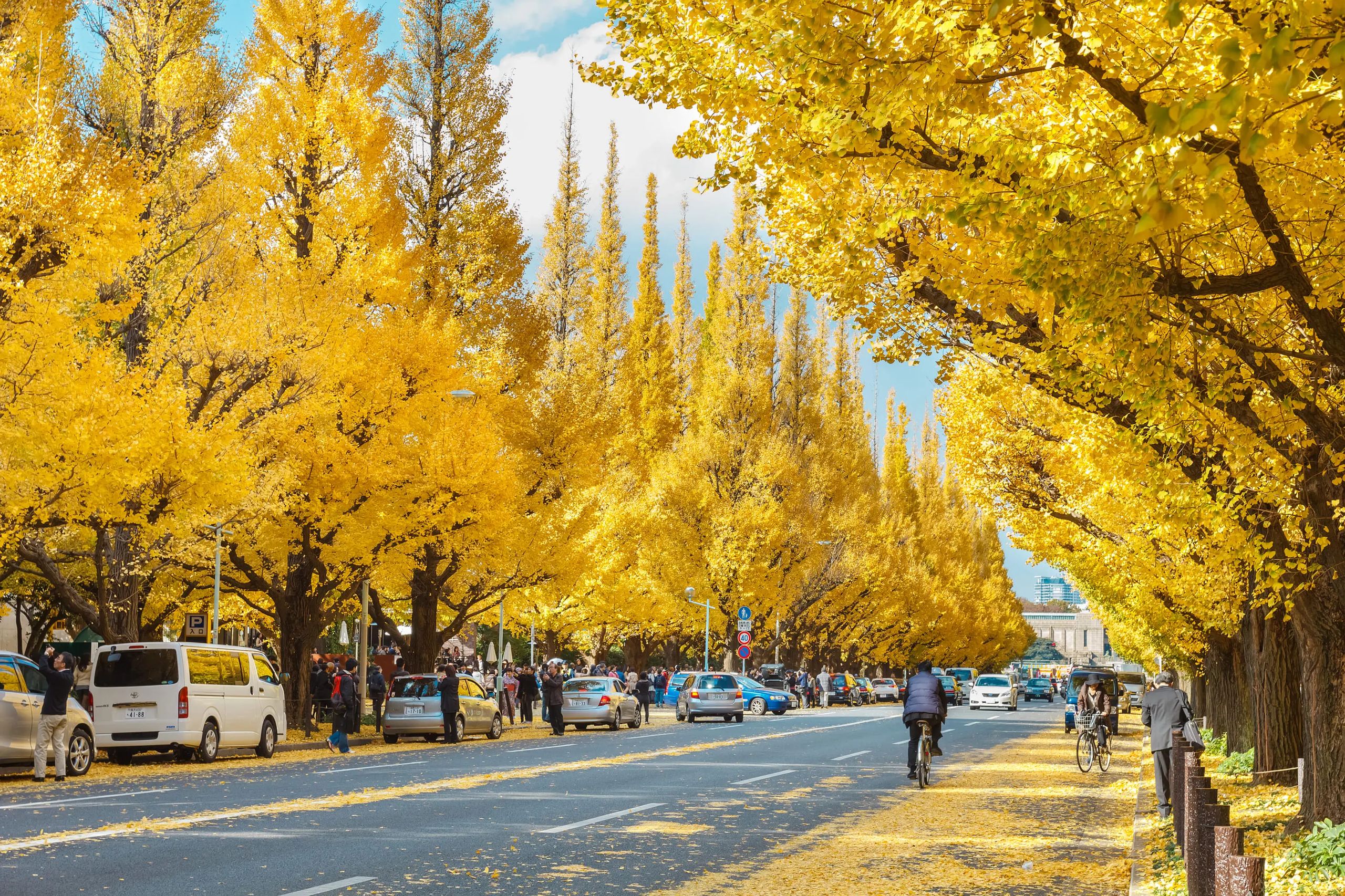
Tokyo's Golden Hue
The ginkgo avenue at Meiji Jingu Gaien. In autumn, the 300-meter tree-lined path transforms into a golden tunnel. Experience overwhelming autumn colors in the heart of the city. Enjoy modern Tokyo autumn combined with the sophisticated streets of Aoyama and Omotesando.
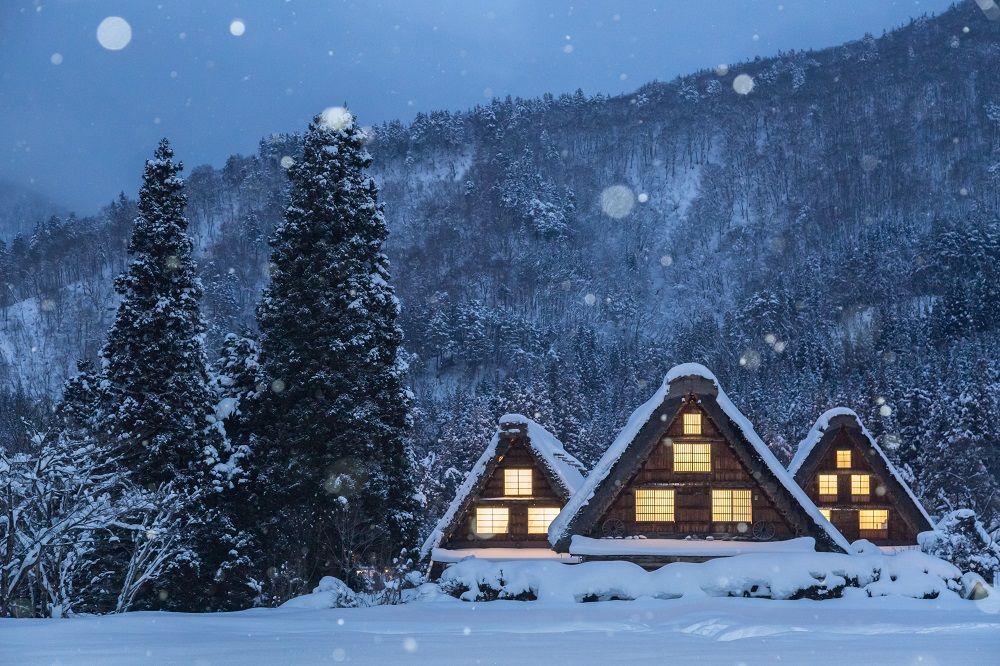
Snowy Gassho-zukuri Village
The World Heritage gassho-zukuri village of Shirakawa-go. At dusk, warm light spills from windows onto accumulating snow. Triangular-roofed gassho-zukuri houses are crystallizations of wisdom from people who coexisted with harsh nature in heavy snow regions. Fantastical scenes woven by farmhouse lights in stillness enclosed by snow. Experience winter's crisp beauty.
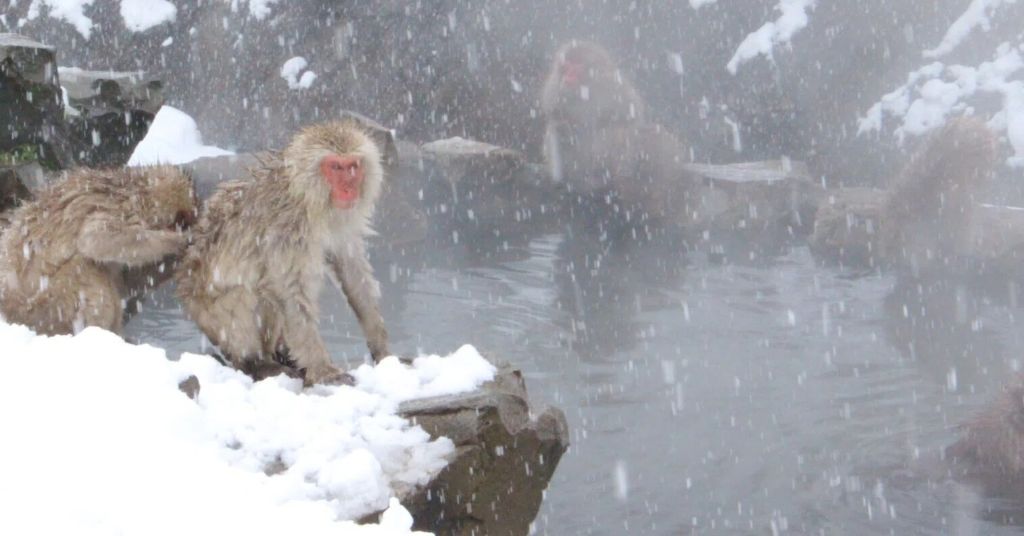
Jigokudani Snow Monkeys
Jigokudani Yaen-Koen in Nagano Prefecture. The sight of wild Japanese macaques bathing in hot springs amid snow is world-famous. Expressions of monkeys enjoying hot springs just like humans, fantastical scenes woven by snowy landscapes and steam. A special winter-only encounter.